
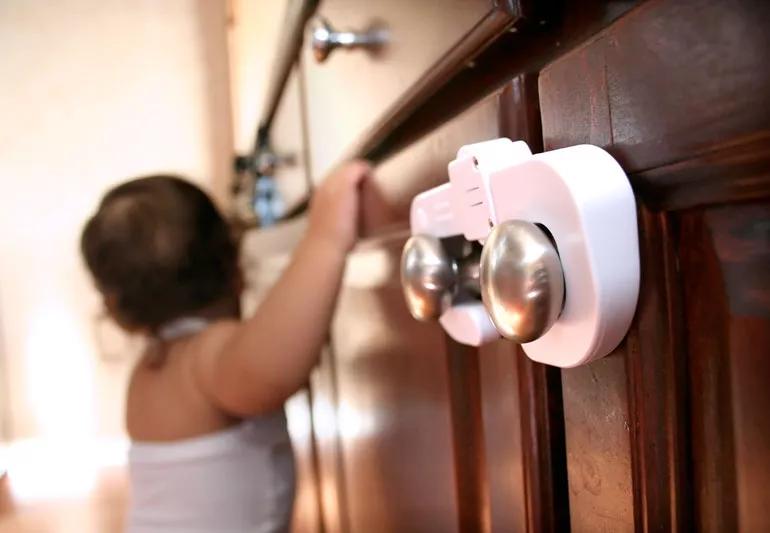
She Thought Of Everything. Almost.
DISCLAIMER: This campaign is a student project created for educational purposes at USC Annenberg. It is not affiliated with or endorsed by any organization or brand referenced.
The checklist you know by heart
You checked the crib twice before ordering it.
You compared car seats, read ingredient labels, saved stroller reviews, and probably asked at least one friend which baby gate was actually worth buying.
By the time your baby turned one, you had already made hundreds of small decisions in the name of safety.
That is what motherhood often looks like.
You try to think ahead. You reduce risks where you can. You do the research.
But there is one thing you cannot lock up, wipe down, or keep off a shelf: the air your baby breathes.


The risk you cannot see
Measles spreads through the air and can remain in a room for up to two hours after an infected person has left. One person can infect up to 18 others.
That means exposure can happen almost anywhere you go with your baby — at the grocery store, on the playground, in a pediatric waiting room, or even in a public restroom or family room.
You do not have to be standing next to someone who looks sick.
You can simply walk into a space where the virus was in the air earlier.
For you, as a mom who already thinks carefully about everyday safety, that matters.
Why measles is more serious than it sounds
It is easy to think of measles as just a rash and a fever.
But the virus can do something far more serious.
Imagine waking up one morning and finding that your phone has lost years of memory — photos, messages, notes, everything gone.
Researchers have found that measles can do something similar to a child’s immune system.
After infection, the measles virus erases up to 73% of your child’s existing immune memory — the protection they’ve built from every vaccine and every illness they’ve ever fought off. Gone. Their immune system essentially resets to zero. Rebuilding takes two to three years.
During that time, your child can become more vulnerable to other infections they were previously better able to fight off.
This is not a scare tactic. This is published science from Harvard, Science Magazine, and the American Society for Microbiology.
One step you can take
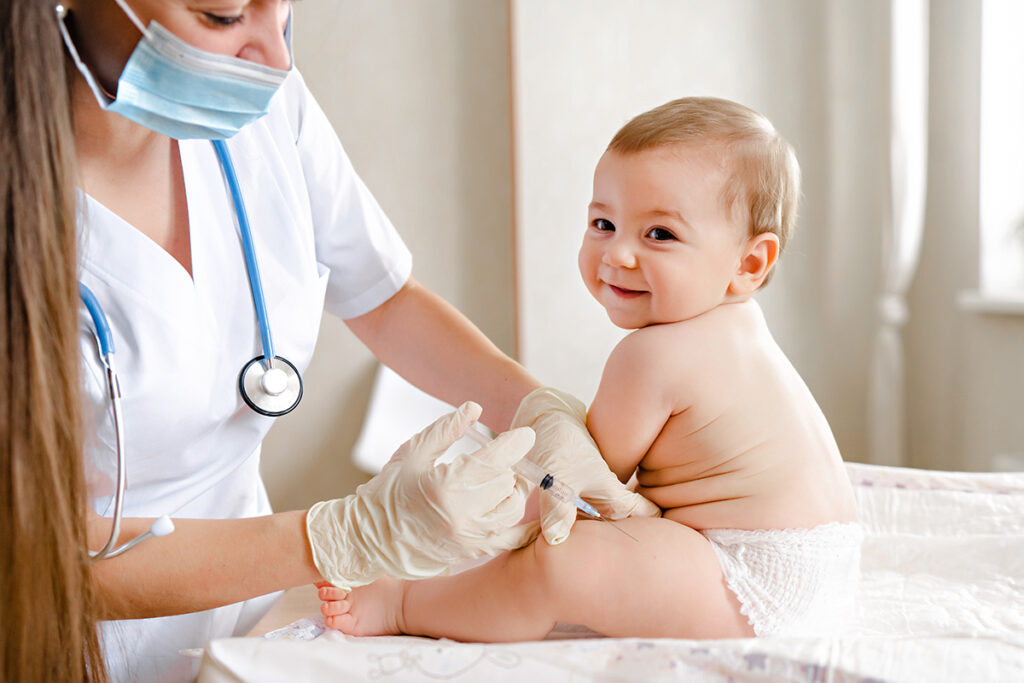
The MMR vaccine protects against measles, mumps, and rubella.
The first dose is recommended between 12 and 15 months and the second at 4-6 years old.
It takes 15 minutes at your pediatrician’s office. Two doses provide 97% protection for life.
You already protect your child from everything they can touch, taste, and reach. This is the one protection for what they breathe.
You thought of everything. Now, think of this.
Talk to your pediatrician about the MMR vaccine.
Campaign Outdoor Mockups
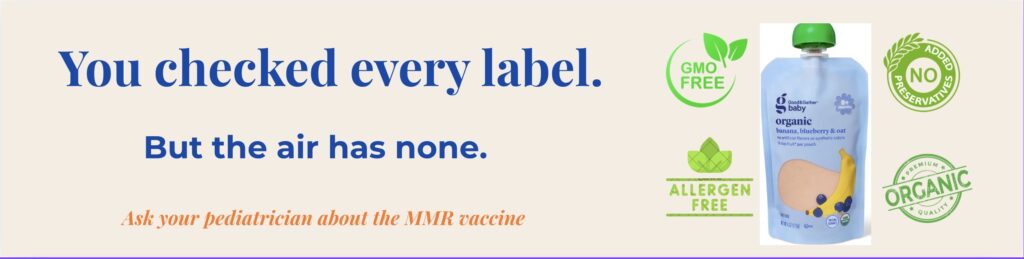
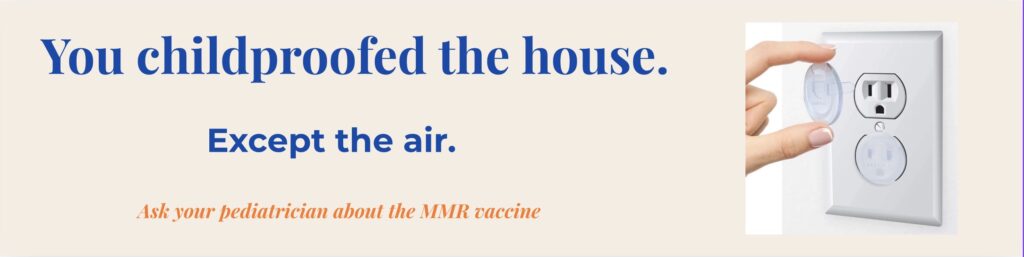
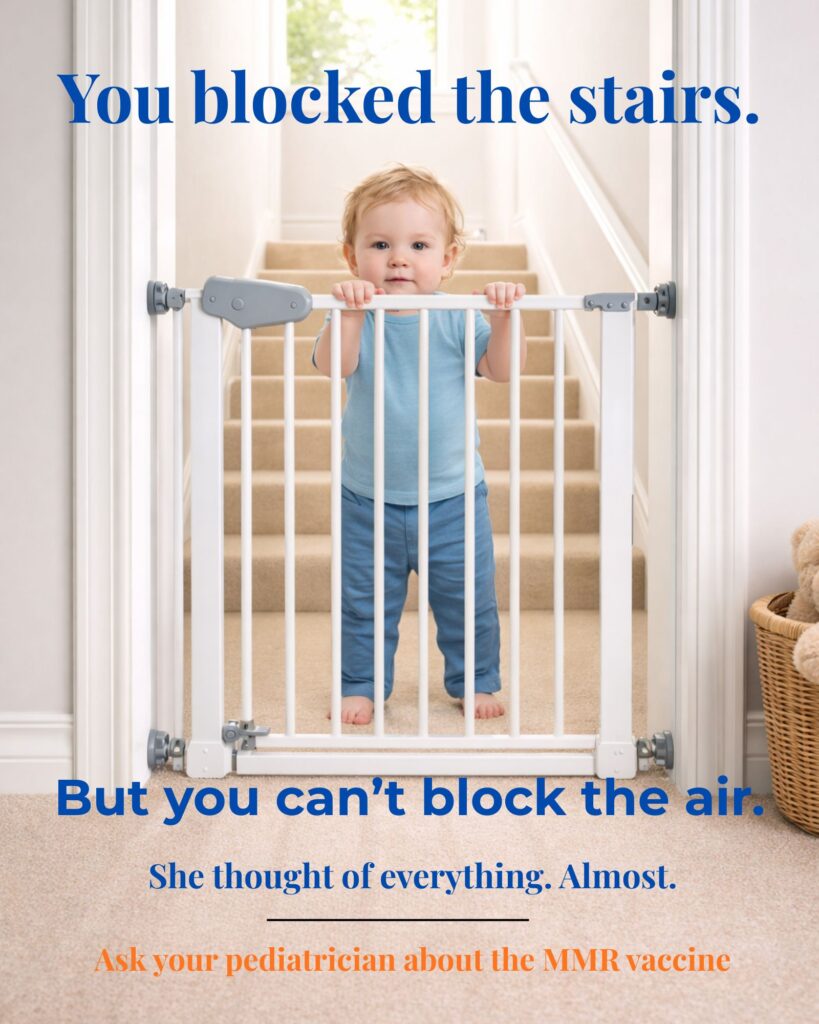
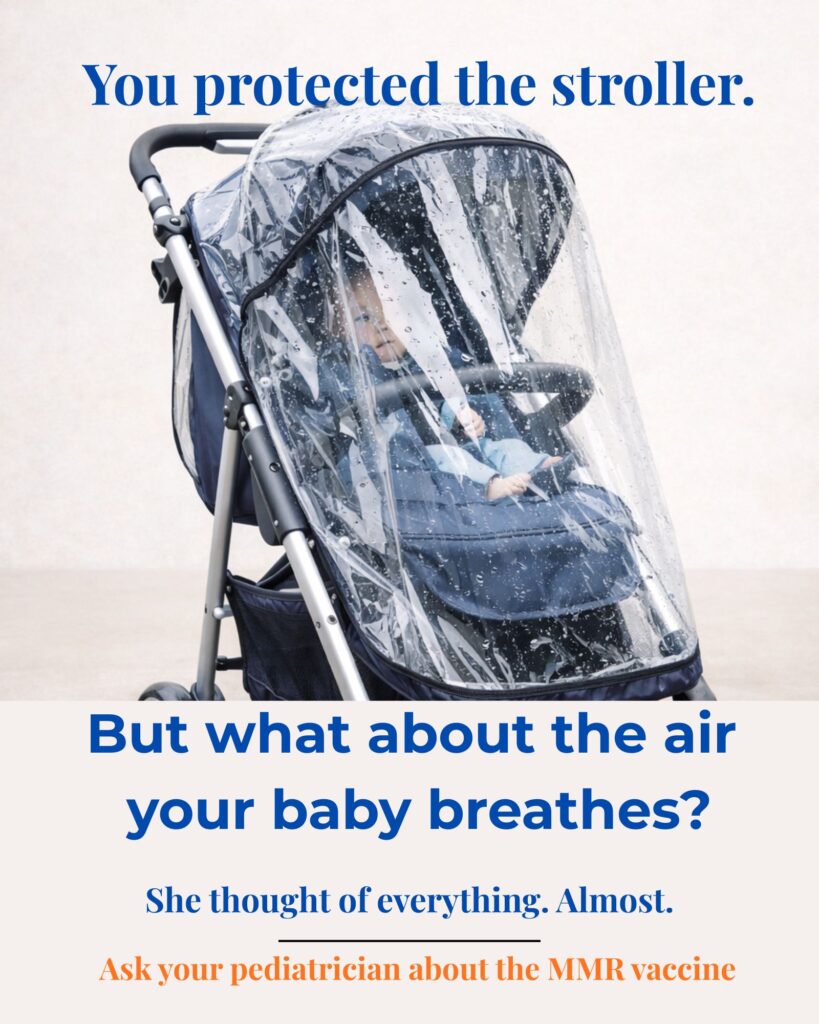
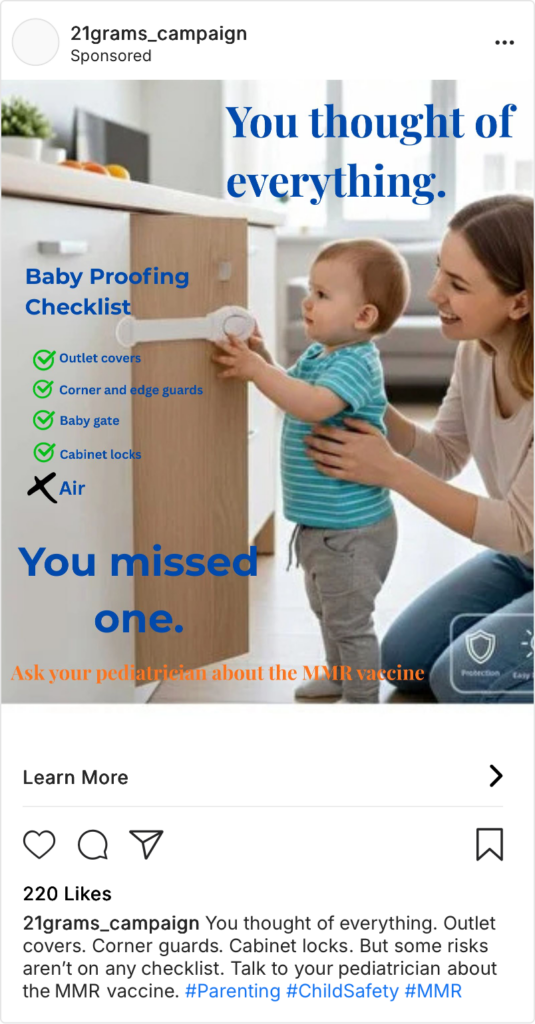
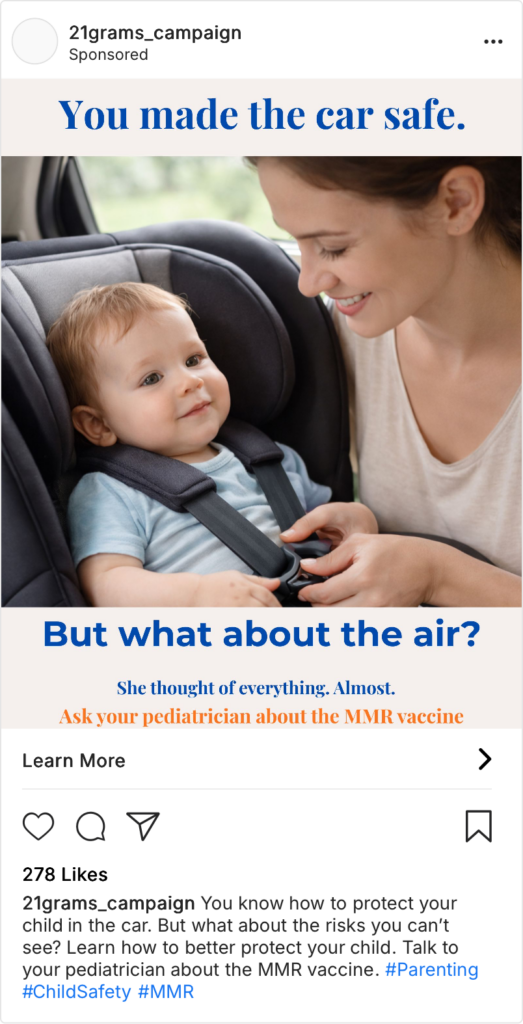
The creative concept highlights a simple insight: parents carefully protect their children from visible risks but cannot control what they cannot see — the air. Each execution uses familiar objects from everyday parenting, such as baby food, stroller accessories, and home safety tools, to illustrate the idea that one important protection is often overlooked. The goal is to prompt parents to think about measles vaccination as part of their child’s safety.
Billboards
Bus shelters
Instagram Ads


AI Disclosure:
Artificial intelligence tools were used in this project to assist with editing and refining written content, including improving clarity, grammar, and phrasing. All ideas, concepts, and creative direction were developed independently by the author.